
Truro Birth Center (Treliske): seven things to know before you birth plan!
A low-intervention waterbirth in Truro Birth Center (Treliske Hospital) is the goal for a lot of my antenatal and doula clients.
These questions come up ALL the time when families are preparing for birth, and if you’re thinking about Truro Birth Center you need to know the answers.
ESPECIALLY the answer to #7.
*all images shared with consent
1. What are the benefits to giving birth in Truro Birth Center?
Short answer: loads.
Honestly, this place makes total sense.
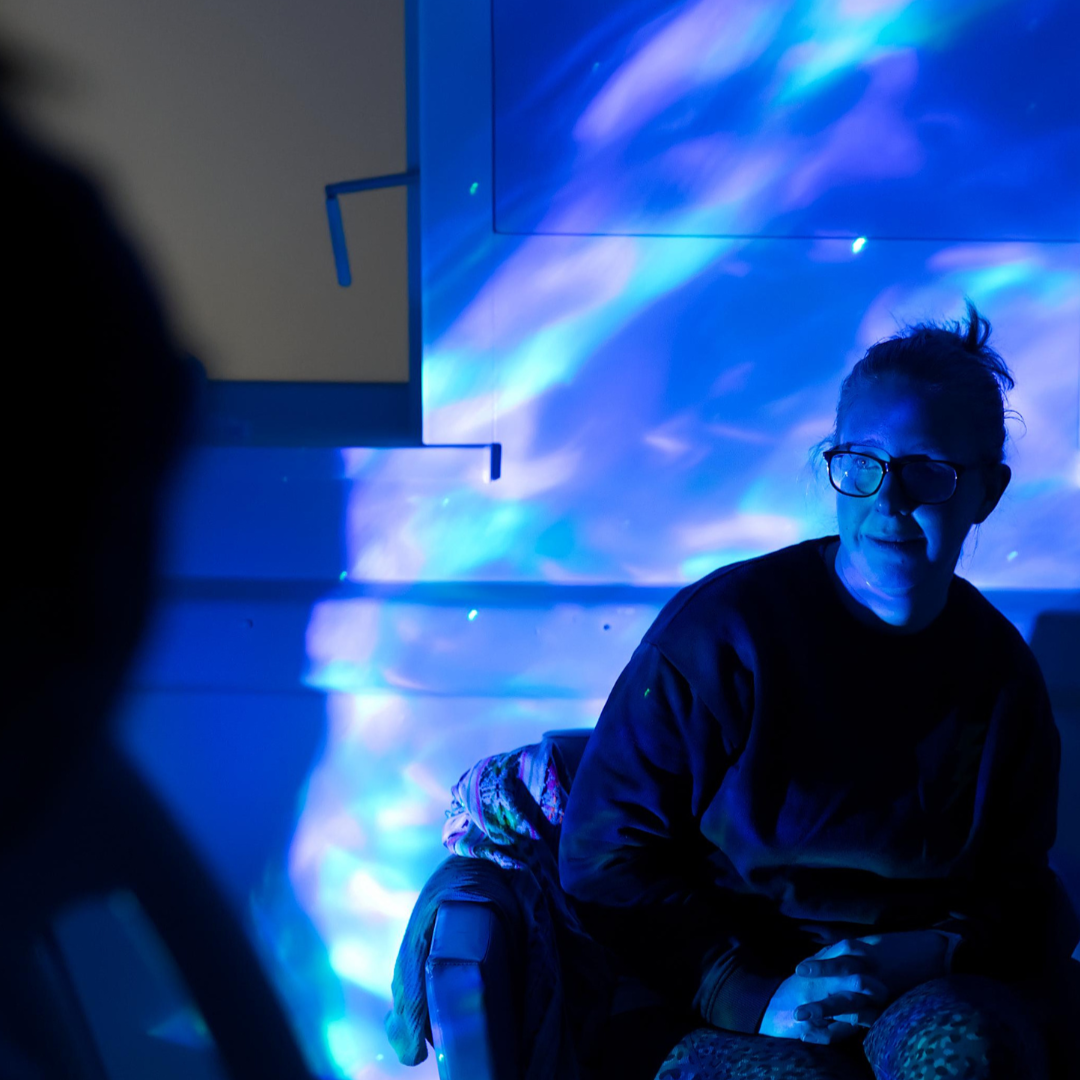
It’s location, layout and facilities are perfectly designed to make a ‘natural’, low-intervention birth a reality, within the reassuring comfort of a maternity hospital context.
That combination is why so many Cornish parents (first-time and otherwise) choose this as their preferred place of birth. Some of the big appeal factors are:
Location: not only is it minutes from the A30, but you’re close to the medical support if needed - Delivery Suite is 20 steps away.
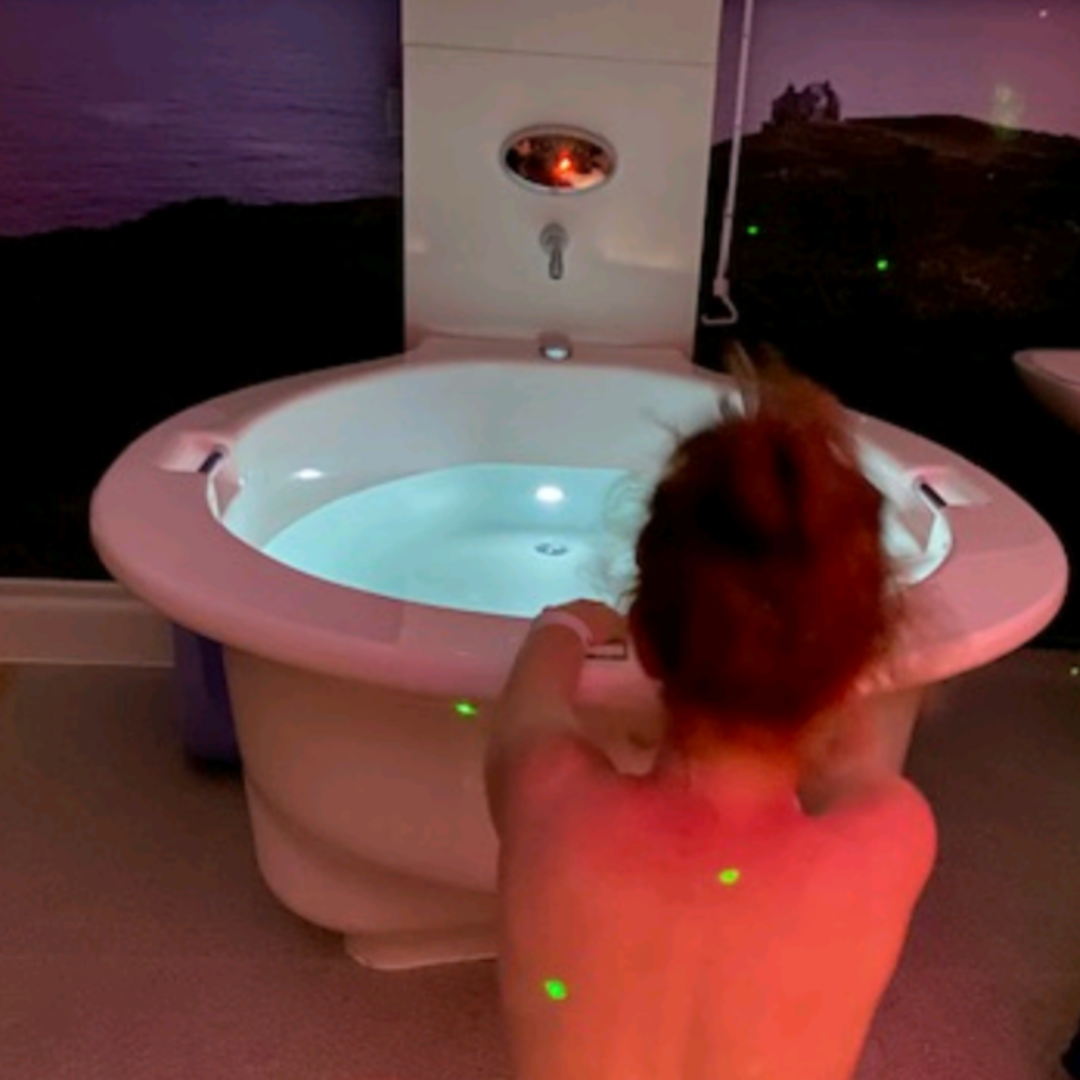
Waterbirth options: each of the four birth suites has a large, fixed standing birth pool and an en-suite bathroom including a large shower, meaning water is readily available.
Midwifery care: the space is staffed exclusively by midwives, rather than obstetricians, meaning an increased chance of a low-intervention birth.
Sensory space: so many aspects of Truro Birth Center have been designed to soothe your senses, from darkened hallways, beautiful imagery and aromatherapy on entry.
2. Can I use Truro Birth Center if I have a ‘high-risk’ pregnancy or birth?
This is not a simple ‘yes’ or ‘no’ question.
Being ‘high risk’ does NOT exclude you from using Truro Birth Center.
Yes, Truro Birth Center is designed to support low-risk pregnancies and low-risk births.
However it is your legally protected human right to choose where you give birth and the role of the Out-Of-Guidance team at RCHT is to help with this exact thing.
It’s also what I spend an awful lot of my life as a birth doula helping with too!
Request a meeting with the out-of-guidance team to discuss how your birth can be supported in the birth center.
Depending on your medical circumstances, your request for the birth center may be supported, or other avenues that fit your preferences explored.
3. What pain relief can I have at Truro Birth Center?
Think of methods associated with a home birth & you’re there.
Truro Birth Center is set up to support physiological birth.
This means midwifery-care (not doctors) with minimum interventions, and this is reflected in the pain relief options.
In terms of non-drug based pain relief, you can use:
water (shower / birth pool)
movement
positions (including ones supported by a birth ball, peanut ball, birth stool and birth couch)
In terms of ‘drugs’ to relieve pain Truro Birth Center, midwives can offer you:
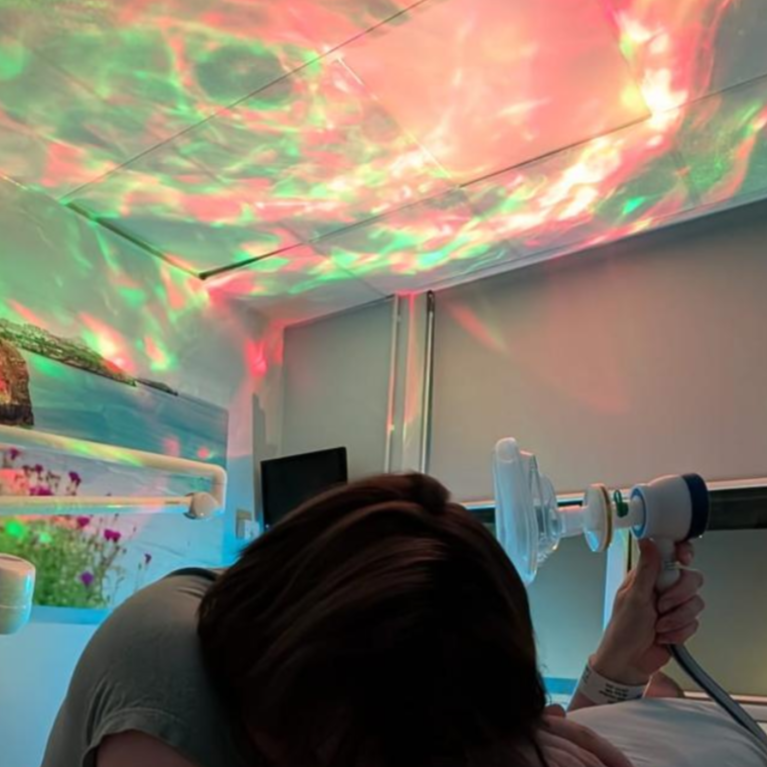
gas & air
oral doses of things like paracetamol, codeine and oramorph
sometimes injections of pethadine or diamorphine (
Other pain relieving tools, such as massage, counterpressure, TENS, rebozo and aromatherapy are all welcome within the space, but you’ll usually need to manage these yourself (which is why I teach couples these strategies on my antenatal courses)
4. What happens if I’m in Truro Birth Center and something goes wrong?
This is why many people choose this birth space.
The quick answer is this:
If something was not looking right, your midwives would recommend transfer across the corridor to Delivery Suite.
The longer answer is this:
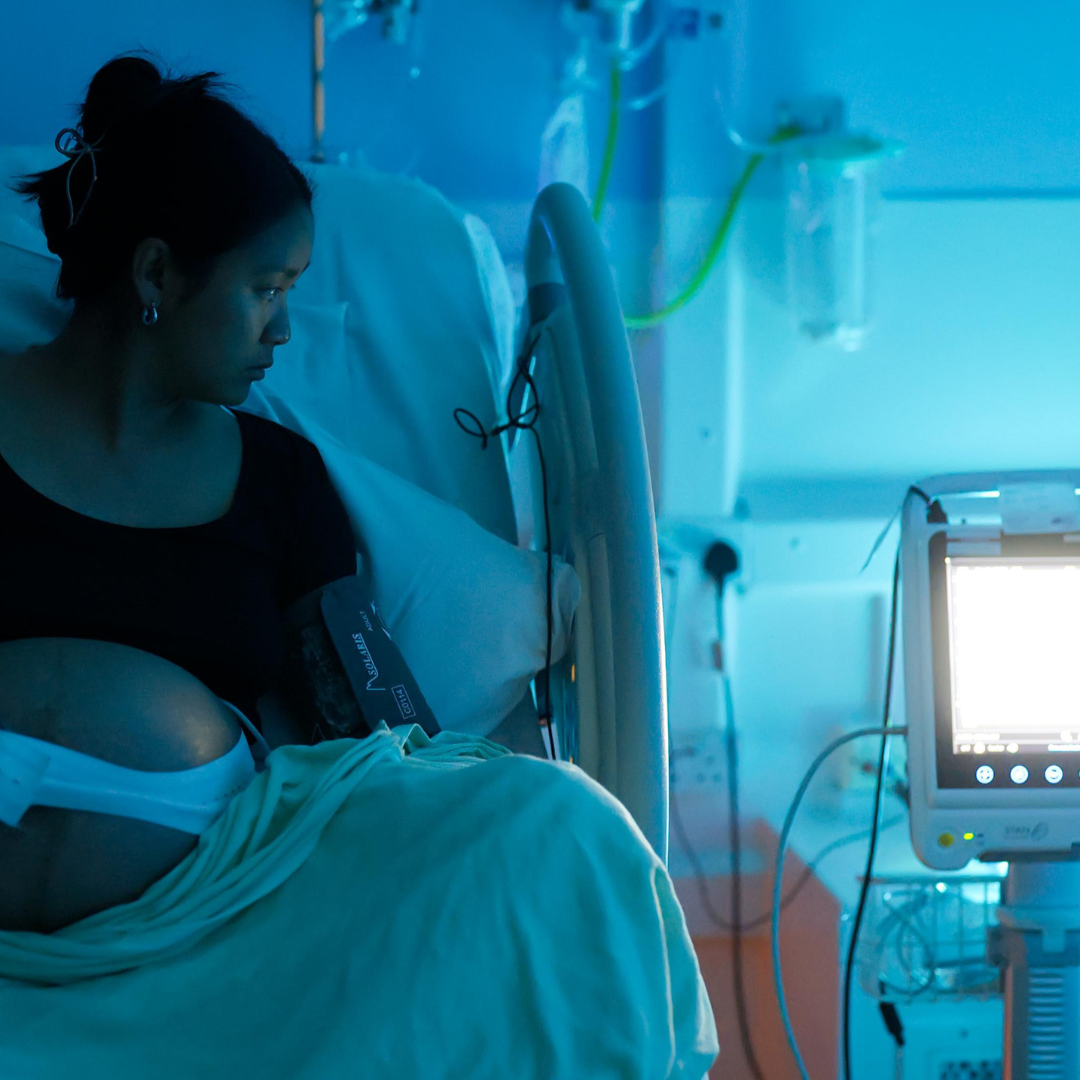
The midwives who work on Truro Birth Center are experienced and passionate about physiological birth. BUT they’re also skilled clinical midwives who work at Treliske hospital and who know how to look after the health of you and your baby during labour. Their routine care will feature observations on both of you.
For baby, this would mean:
taking regular readings of their heart rate using a doppler.
palpating their position
For you, this would mean monitoring:
your blood pressure
your urine output & ketone levels
your temperature
your waters and blood loss (if appropriate)
your general wellbeing
Of course, these observations would only be done at your express consent, so you can opt out as and when you wish to. The reason they’re done is so that any irregularities or issues can be identified earlier rather than later, and communicated to you in a timely way.
If a transfer to Delivery Suite is recommended & you consent, then you’d be moved using a wheelchair or bed (if needed) to a room on the obstetric ward and given the medical support the situation requires.
Depending on the staffing situation, you might keep that same midwife, or you may change.
5. What stage of labour do I need to be at to go to Truro Birth Center?
This is an important one!
On paper, to be admitted to Truro Birth Center you need to be at the same stage as all NHS birth spaces:
4cm dilated
strong, regular and increasing contractions
3 to 4 contractions within every 10 minutes
sustained contractions that don’t tend to dip off If your labour was spontaneous and uncomplicated, you’d be admitted to Truro Birth Center at the same time and in the same way as Delivery Suite.
In reality, it might look like this:
When you feel as though you’re getting strong contractions, 3 to 4 times in every 10 minutes, Triage would advise you to come to the hospital for assessment.
When you arrive at Truro Birth Center, a midwife will meet you and usually take you into their assessment room rather than a birth room (though if this was full, they might!). Normal procedure would be to do a full set of obs on you and baby, and - if you consent - to do a vaginal examination to see how dilated you are.
If you do not meet the criteria for Truro Birth Center yet, you’d probably be advised to go home for a while until things pick up or, if you don’t want to do that, be admitted to the antenatal ward.
But if you DO meet the criteria, then you’d be shown to a birth room to continue your labour.

6. Can I use Truro Birth Center if I am being induced?
Honestly, this is a complicated answer.
In theory, being induced doesn’t mean you can’t give birth on the birth center at Treliske Hospital.
However, there are three questions to really consider:
What are the reasons for induction?
What stage of induction have you reached?
How you are coping with the length & sensations of induction.
Let me explain.
Because Truro Birth Center is set up for low intervention births there are some conditions whereby hospital policies wouldn’t deem it to be safe to labour and deliver there.
If you’re being induced for a specific medically diagnosed condition or issue, it may be that Delivery Suite is better equipped to support you. However your birth place is still your choice, and this should be discussed with your consultant.
If you’re recieving IV syntocinon as part of your induction, you and your baby need to be monitored via CTG machine and this can only be done on Delivery Suite.
If you want an epidural, you need to be monitored by CTG and also be under the care of an anaesthetist; this is a Delivery Suite offering, not Birth Center.
There are other conditions and issues which would mean that Delivery Suite would be advised as a space for your labour and birth, but ultimately the choice is always yours, and this relies on balanced information.
Getting the right information from the midwives and doctors supporting you is really key to making powerful decisions; a lot of people use Power Hours to prepare for consultant appointments so that they have the questions they need to get this info.
7. Why would someone NOT want to give birth at Truro Birth Center?
This is a very valid, under-explored question. Let’s dive in.
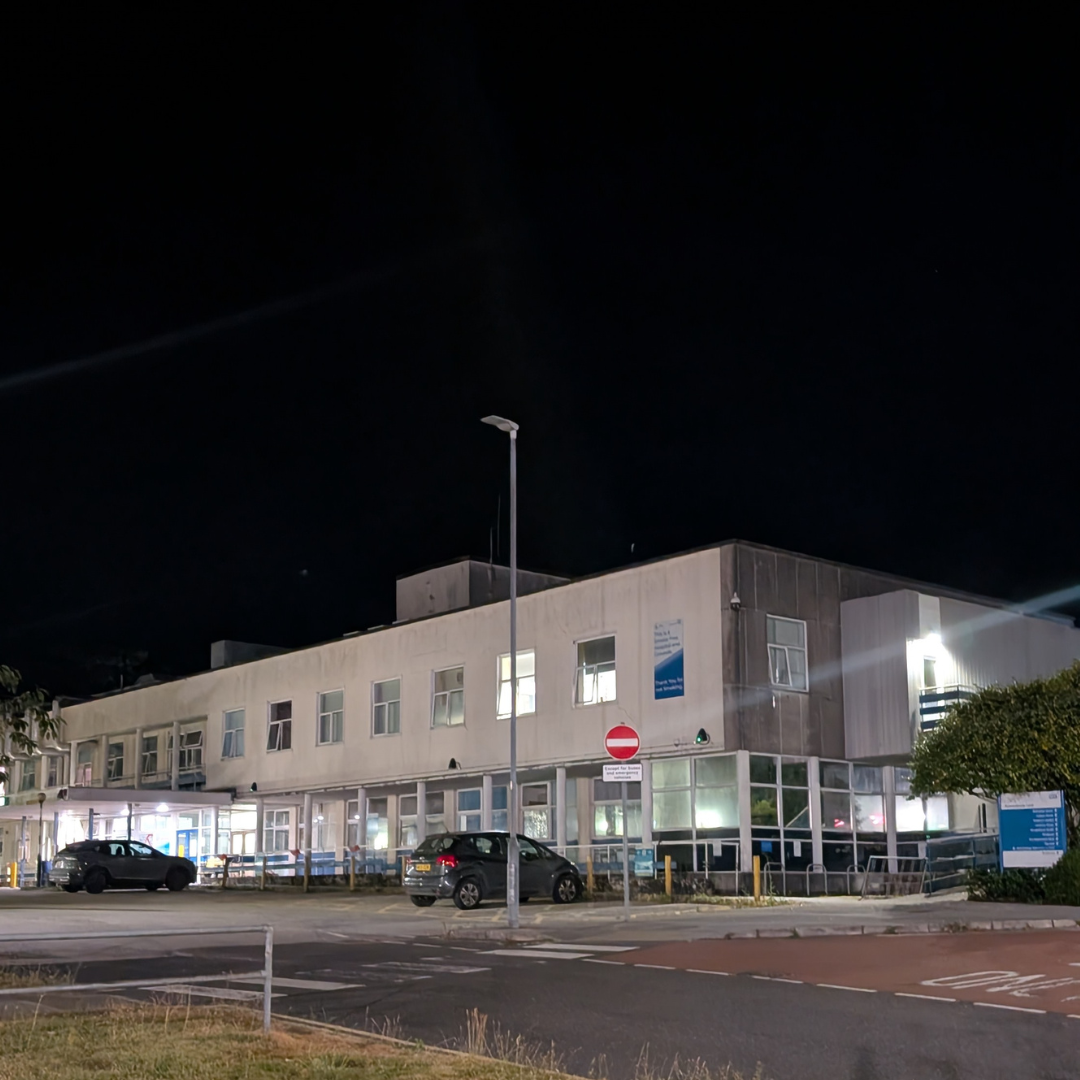
As beautiful as it is (well, inside… the outside looks fairly bleak!) Truro Birth Center might not be the place for you.
Medical issues and pain relief options aside,these things are really important to think about too.
Location: the birth center is actually IN the hospital - you’ll have to get here (probably by car, never fun during labour), walk through bright corridors and strip lighting, surrounded by ‘hospital smells’ and beeping doors before you get to the tranquility of the space.
This matters because: all of this can disrupt the zen, calm labour brain you’ve hopefully built up at home.
If this is you: have you considered a homebirth?
Transfer Rates: there is a reason that birth centers in hospitals tend to have higher transfer rates than birth centers outside of hospital settings - it’s because the medical system is right there, and an easily accessible option.
This matters because: true medical emergencies or situations will never be ignored, but sometimes the temptation of a doctor’s opinion or the quick ‘reassurance’ of a CTG monitoring session will affect the advice given. And in equal measure, when the temptation of an epidural is 20 steps away, other non-drug based pain relief is overlooked.
If this feels relevant to you: have you considered a freestanding birth center like Penrice or Helston, or even a homebirth?
I am a birth doula who specialises in hospital births;
While I’d love to say that every birth choice is simple and straight-forward, it rarely is. But that’s why I do what I do.
Truro Birth Center, Treliske’s Delivery Suite and caesarean theatres, and our freestanding birth centers are where I spend so much of my working life; I know them inside out and back to front, and use this lived experience to help my clients figure out what they need, what they want, and how to get it.
And it’s not just through 1:1 birth support; my antenatal courses, birth preparation sessions and Power Hours all help pregnant families in Cornwall to have more positive pregnancies, births and postpartum journeys.
Curious about how I can help you? Book a free Discovery Call and we’ll chat!
