
My doula support goes beyond birth: pregnancy, labour, postpartum & matrescence.
There’s a common idea that doula support begins with labour and ends once your baby is born. But that couldn’t be further from the truth—the reality is that I’m here to support your whole journey, from pregnancy through to parenthood.
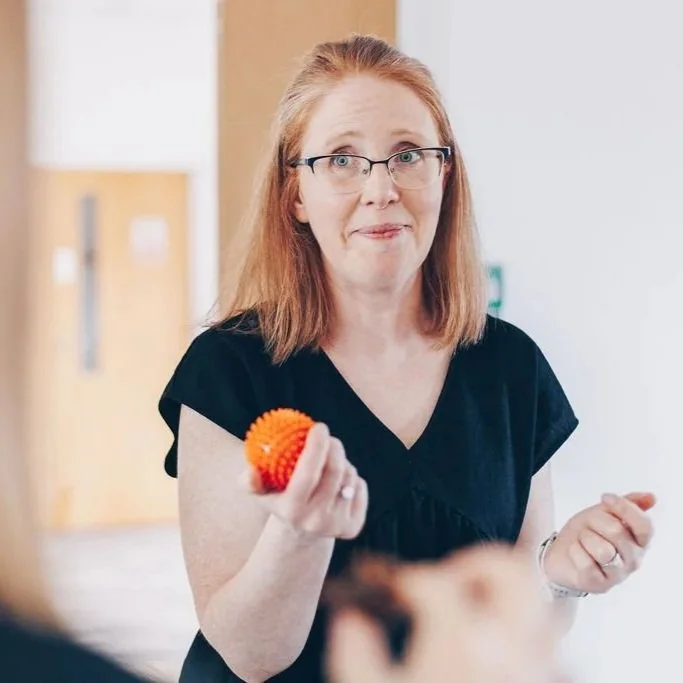
I’m here to support your transformation, not just your birth.
… and this is exactly where a doula like me is very different to a midwife or an obstetrician.
Let’s start with some important definitions.
An obstetrician is an expert in supporting high-risk pregnancies and births; a midwife is the same for low-risk pregnancies and births. Their very important, and very valuable role, is to keep you and your baby as healthy as possible during the months of your pregnancy, the hours or days of your labour, and the first few days of postpartum.
Their focus is the clinical, the medical and the scientific: they measure, monitor, assess and support your body’s behaviours and patterns, doing everything that they can to keep things as a balanced, and importantly - when things aren’t balanced - they work hard to bring it back to normal.
As a doula, my realm is totally different.
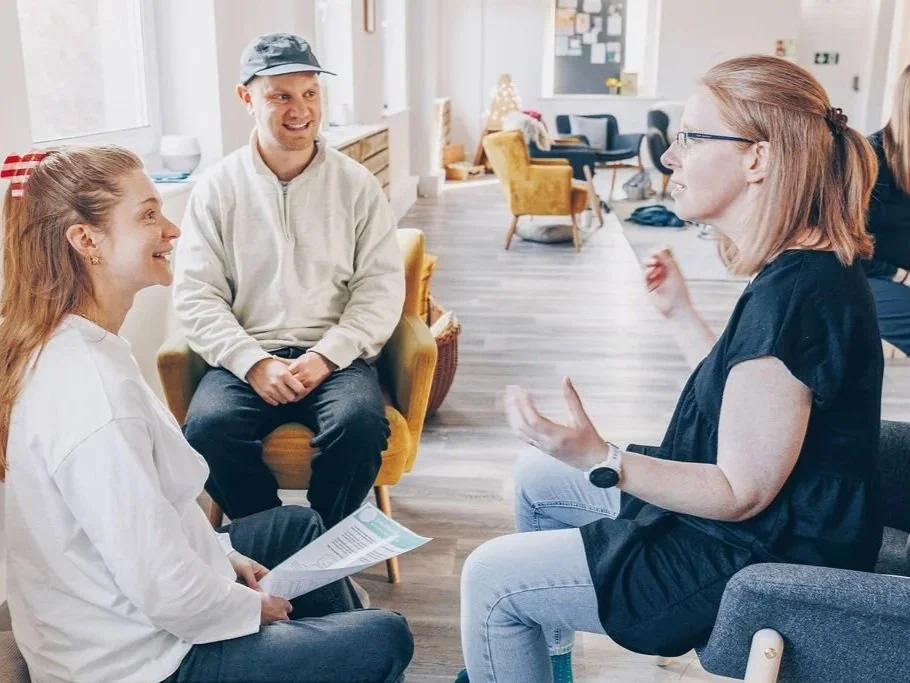
Put simply, my focus is you.
Not your bodily functions, the measurements or the metrics or anything else that makes you defineably human.
No, my role is to support all the other things that make you, you.
Your emotions: hopes, fears, excitement, curiosity and everything in between that drives you.
Your personality: priorities, preferences, quirks, communications and thought processes.
Your lifestyle: habits, rhythms, routines, relationships, foods, drinks and the pace of life you live.
Now, here’s where it gets juicy.
Each of these things are vital to your experience of birth… but unlike your blood pressure, or the dilation rate of your cervix, they’re not limited to the birth space.
While these things extend far beyond the moment of birth in every single direction, they will be fundamentally altered by it. Not by accident or calamity, simply because the process of pregnancy, birth and postpartum are meant to change you.
This is matrescence: a totally normal and important phase of female human existence.
But it’s big.
This change is profound, scary and often unexpected.
It needs support of its own.
And that’s why matrescence is a core part of who I am as a doula, and the ways in which I support the families who choose me as their antenatal educator, birth or postpartum doula.
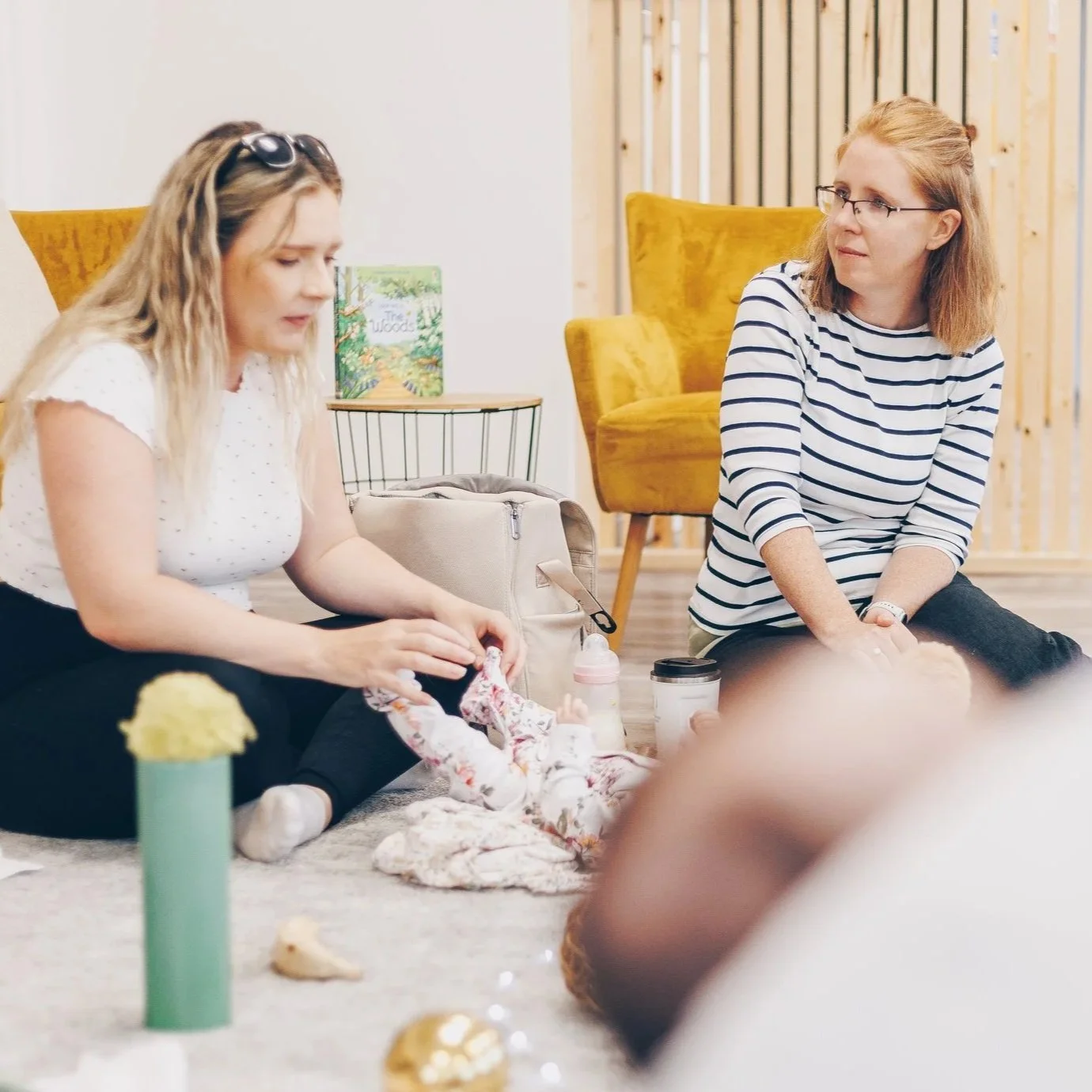
FYI: ignorance is not bliss when it comes to matrescence.
This is going to happen. Understanding it, supporting it and celebrating it makes the whole process so much easier.
To make this make a little more sense, let’s compare matrescence vs adolescence: the journey from pregnancy to parenthood against the journey from a child to a teenager:
ADOLESCENCE:
In a medical sense, adolescence comes down to a few key moments for a woman: the first public hairs, bras and periods. This is what takes you from the definition of child to adolescent.
But we all know puberty to be much more than that. It’s years of huge, sweeping hormone shifts that alter your brain structure, skeletal compostion and result in some really key changes for you.
Mood swings that take you from happy to sad in an unpredictable instant.
A sudden interest in things you’d never even considered before.
Changes in tastes on everything from music to foods, family and friends.
In essence, over the course of a few years, your entire body, brain and identity shifts gear never to reverse.
MATRESCENCE
In a medical sense, matrescence comes down to a few key moments for a mother: the moment of pregnancy, the physical process of birth. This is what takes you from the definition of maiden to mother.
And, just as with adolescence, anyone who’s been up close and personal with this journey knows it goes far deeper than that. Over the course of a few years, another tidal wave of hormones alter your brain structure, skeletal composition and create some significant (occasionally temporary) changes for you:
Mood swings that rocket you from euphoria to desolately sad in the blink of an eye.
A supercharged sensory awareness on everything from smells to sounds and tastes, and the world around you.
Dramatically shifting priorities: what was once everything, is now nothing and visa versa.
Once again, in essence, over the course of just a few years, your entire body, brain and identity shifts gear.
There’s not a lot between them really.
Except for one, little thing…
Knowledge. Understanding. Preparation.
Can you imagine going through adolescence without anyone ever explaining what was going on? Without having had those awkward PSHE lessons at school? Without watching the films & TV shows that depicted this reality so clearly?
No, of course not. Adolescence is a hugely honoured phase of life and - while we may all say things like ‘urgh, teens’ - they are given some leeway, consideration and support as they navigate this really big leap in their development.
This is NOT the same for matrescence.
While most 12 year olds will know they’re approaching puberty, most fully fledged mothers do not know they’ve single-handedly navigated matrescence.
While each 14 year old will be able to find some cultural figure to relate to, to find solace in and know they’re not alone, most new mothers will see social media and feel like they’re lacking and alone. That they’re in some way broken.
While each 16 year old will be able to confide in someone about her period pain, her love issues and her generalised panic about life, most new mothers turn up to baby sensory with a smile on their face and pretend like their pelvic floor is fine, and their identity crisis non-existant.
Read that again if you need to, just to let it sink in.

My doula support means matrescence support.
Your pregnancy, labour, delivery and postpartum are parts of your journey. I am here for all of it.
The fact that continuous support from a trusted and trained source improves birth outcomes and the maternal experience of birth is not new information. Research has been going on for some time into this and is repeatedly mentioned in advisory board recommendations on how to improve maternity care in the UK.
Of course, we’d love every midwife - even the community team who are usually a continuous presence of some kind during pregnancy and postpartum - to be able to fulfill all the needs that appear during a pregnancy, labour and postpartum journey.
But we need to be realistic on two counts here.
The remit of a midwife is - in the current climate - a clinical and medical one:
Matrescense and the emotional, social and cultural shifts that go with it, are outside of their remit.
Midwifery teams are rota-based employees:
They have shifts, working hours and competing caseloads which mean they cannot be a truly continuous presence for every woman on their books.
But I am neither of those things.
As an independent, self-employed doula, the only person I work for is my client.
I balance my workload to make sure that I’ll always have the diary space and the head space for them, when they need me most.
From scheduled meetings and antenatal sessions, to the informal whatsapp check-ins and late night phone call chats - through every stage of your journey - my doula families get true consistent support that complements the care they’re recieving from healthcare professionals.
All for one simple reason: this journey you’re on goes so much deeper than blood pressure or birth.
Just as teens need support through every phase of adolescence if they’re to come through relatively smoothly, so does a new mother.
Feeling seen, heard, understood, validated and absolutely not insane or mad is essential to the process. Whether you’re pregnant, labouring, birthing or nurturing your baby (for the first, fourth or fourteenth time) is a journey that leaves you exposed, vulnerable and at times desperately seeking stability.
Often between midwifery appointments.
Often at 2am.
And that’s where a doula like me steps in.
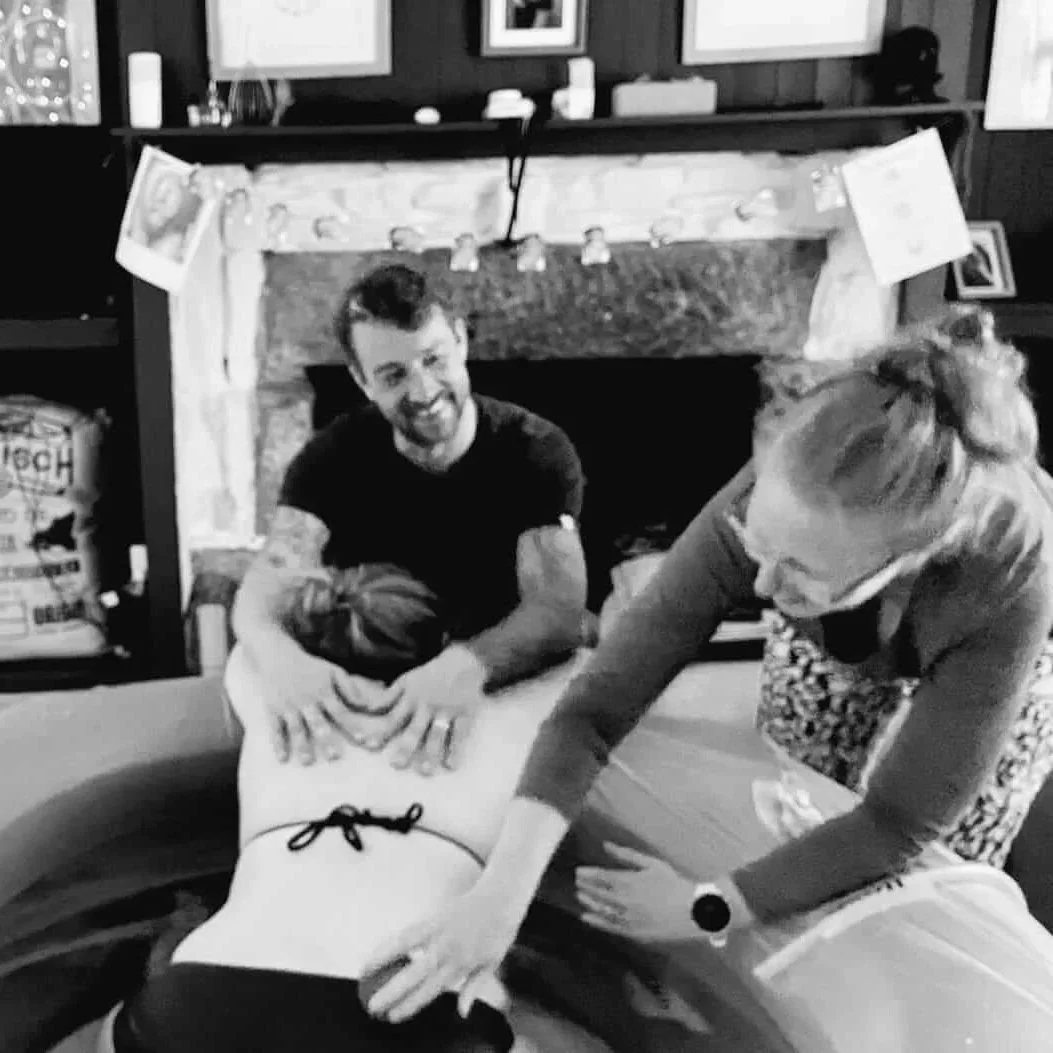
Matrescence is a process: supporting it means being there at every stage.
Yes, I’ll be at your birth. But my support doesn’t start with the first contraction and nor does it end when your baby is born.
I mean it when I say that every family that chooses to work with me receives totally personalised and tailored support. Every interaction, signposting message, question, suggestion, hug or joke is made in response to the version of them I see in that moment.
However, there is a pattern to pregnancy, labour, postpartum and the whole journey of matrescence which also needs recognition. I structure my approach to doula care to fit each stage, making sure that I am available and present in the right ways when I am needed most.
Of course, individual journeys might change a little bit depending on situations, but this is what support looks like for an average, low-risk, first-time parent doula client:
The starting point: usually between 6 to 20 weeks of pregnancy
An email or a social media DM will arrive in my inbox, featuring a quick hello and a summary of the situation: how pregnant they are, what their due date is and what sort of support they’re looking for. Then, usually a simple request: am I available to chat more?
My response is ideally within 24 hours, is always a congratulations (because good grief you deserve it!) and a confirmation of my availability around their due date. If the diary looks clear we will book a discovery call in within the next 7 days if possible.
Why: you’ve built up the courage and effort to reach out for support - rarely does that come out of nowhere! There will be something inside of you that needs validation that this route might be the one that helps you to feel more grounded, more confident and less alone. I am not going to leave you hanging!
The Official Beginning: once we’ve met, agreed to go ahead and contracts are ready
I’ll come to your home and we’ll spend some real time just sitting, chatting and getting to know one another that little bit more. We’ll run through the legalities of the contract and you’ll have lots of time to ask questions about how your support will look in reality, especially around things like going into labour and what I can and cannot do for you. When you’re happy, we all sign. Then we’ll create the private WhatsApp space and schedule our birth prep sessions - even if this is months in advance - so everyone knows where we sit.
Why: trust is a big part of this. You need to know what I am going to be there for, what I can do for you and equally what I can’t. Your brain needs to click into where I sit in your support hierarchy - when you’ll want to call on me, and when you won’t. And on my part, seeing how you approach these questions, how you feel and react in my presence gives me the starting blocks for the emotional support I’ll be providing over the next months.
The Early Days: your first and second trimesters
Every month, I’ll check in with you via WhatsApp, potentially more if there are things going on or my spider senses kick in (I wish I could explain that more, but I can’t. It’s a weird old thing). Most of the time, there’s interaction and chats over social DMs too and you might even come along to Bump Club a few times which is always nice.
Why: this is all about the building blocks trust, of continuity, of getting to know one another and the vibe. My monthly check-ins remind you I am here and that the space is yours to use, whilst also giving you a simple opportunity to update me about anything that’s going on for you. Aches, pains, sickness, scans - discussing them opens routes for quick resolutions (hello, chiropractors) but also helps you to feel heard in those months where there isn’t a lot of midwifery support. But it’s not just pregnancy, but house moves, pet health, job changes… you name it, I’ll lap it up! Some people use me more than others here, and that’s totally fine.
The Third Trimester: getting our heads in the game
I’ll start checking in more regularly - perhaps every 2 to 3 weeks - and we’ll begin our in-person antenatal sessions. Whether we do them over coffee & biscuits or dinner & cocktails (yep, done that!) this is not like an NCT class. Our sessions together will be discussions that explore your currently knowledge and fill in the gaps, all while working around the emotions and questions that each phase brings up for you.
Why: by this stage, you’re feeling your pregnancy big time. Not just the physical weight and form of your baby, but the countdown to their birth is now on and that brings pressure. Fears, tensions, niggles, anxieties will all start to bubble up and I am here for all of it. Our sessions will help you articulate and navigate them; the follow-up WhatsApp chats will give you the space to expand on and work through them.
The Final Preparations: weeks 36, 37 and 38
Our check-ins become more frequent - every other day or so depending - and we have our final birth planning session where you let me know your absolute non-negotiables. What do you need? What do you not? What are you worried about? What are you excited for? We celebrate and get excited - after months, this is now very much on the horizon and happening. I remind you of what to do when you think labour begins, or if you need me, and disappear for a while.
Why: you have come so far - this deserves a moment of celebration and honouring in its own right. Hence the excited vibes. But you’re also about to embark on a seriously big next stage and you need reassurance that I am here, I know you, I know what you need and want and fear and that you can rely on me to show up when you need me to.
The On-call Period: weeks 39-42
You have open access to me 24/7 and my diary has been lightened for you. I’ll check in every day (though you don’t need to respond) to see how you are and what fun things you’re up to. Rest assured, I am not monitoring you, simply maintaining contact that gives you the reassurance that your team is ready for you, when you need me to be.
Why: this is all about you. Your body may ebb and flow - you’ll feel things that feel strange and may want to check what’s normal or not, but triage seems too much of a bother. You know people are waiting and watching for labour, and that might feel stressful. I am not - my presence will always be chilled and relaxed - after all I do this enough to not get goosepimply just yet. That’s your cue to relax too.
Go Time: it’s baby day
You’ll reach out to me - perhaps by phone call, perhaps by WhatsApp, perhaps through your partner - to say that you think this is it. That something has started but you’re not sure but also it might be. And I’ll listen, talk it through with you, laugh and chat until you relax into this space too. It might be now, it might be later, but once you call me to you, I will come and I will stay until your baby is born.
Why: labour is intense on a physical, emotional and logistical level. I know you inside-out and back-to-front by now but my emotional distance means I can walk this path with calm and confidence; a steady presence that’s watching & listening to you, assessing that against everything I know about you and your needs, and reacting to give you what you need, as you need it.
But never taking the place of your partner: this is your rodeo, I am merely the back-up crew. I’ll disappear as needed, be present as requested and always on hand for the reassurance and support that you both know I can provide to make this journey smoother.
The First Few Hours
With your new baby in your arms, I will retreat into the shadows of the room for a little while to give you time and space to acclimatise. Close enough at hand to support those first few feeds, to answer a midwife’s cursory questions and to reassure you that - yes, you did it, and yes, this is real. When you are settled, fed, watered and baby has fed, I will leave you in peace and give you a clear idea of when I’ll be next in touch (and remind you that you still have access to me).
Why: this is a key moment of matrescence - you’ve shifted from pregnant to parent. This is your space, your family’s moment and your to enjoy. But it’s also a vulnerable time for everyone. While midwives bustle around doing the mountains of things required of them, I’ll be there as that quiet presence, probably snacking on wine gums from my kit bag, ready to reassure and help you find your feet as much as needed.
The First Few Days
Check-ins will start back again on a daily basis until you find your feet, and you might ask me to come in person: the hormones will be flowing and this is your space to celebrate everything you’ve achieved with someone who watched you do it, for whom you don’t need to explain anything. But it’s also your space to cry, to question, to worry, to obsess over the littlest details until you feel more settled and calm in your mind.
Why: by now you know I will never judge you, nor will I be shocked by anything you think or say. You can say things to me that most people find would find tricky to say to a loved one, for fear of upsetting them or of them remembering it in the future. I have walked this path myself and spend my life supporting others who do: if there’s a time and a place to be honest about this change, it’s with me and I am here for it.
And of course, I’ll give you the insights, knowledge and contacts to need to make this journey easier too.
The First Few Weeks
I’ll be checking in less frequently - perhaps every three days or so - but will have scheduled postpartum sessions in your home. As I help you with cooking, cleaning, baby-care, pet care and all the other cares you have on your plate, we will talk and laugh and explore the crazy life you now live. I’ll answer your questions (or point you in the direction of people who can), listen to your frustrations and celebrate your wins with you, all while stocking your freezer and filling your tea mug.
Why: motherhood can be a lonely place, even when it’s filled with people. I’ve gone on this journey with you, have seen the lumps and bumps and wins that have got you to this point. You don’t need to explain or justify or expand on a point; our relationships means I see you for where you are in this moment, and you trust me to be on your team, whatever you say. That’s when matrescence can be unloaded, explored and made sense of.
The First Few Months
Once our postpartum support has ended (your call, never mine) I don’t disappear. There will be the odd weekly check-in now and again, and I’ll invite you to join ‘The Nest’ when you are ready. Our WhatsApp space will not close down; I may now be on-call for others, and even in postpartum mode for some, but you’ll still have my ear when you need it.
Why: matrescence doesn’t abruptly end when your baby reaches 6 weeks old; your life and the way you experience it will ebb and flow for now and ever more, and there will be times when you’ll want to express something that you know only I will really understand, or be the person to hear. That’s the magic of a doula.
Matrescence is a thing. You’re going through it right now. You deserve the support that makes it feel good.
If you are looking for a doula who is ‘just’ there for your birth, that’s not me. My families choose me because I am here for the long-haul, and have a passion and a talent for supporting the transformation that’s already happening.
Your pregnancy is months long, your birth will be hours, your postpartum will take years: but the process of matrescence will never stop. How you experience each of these phases will directly influence the next, and ultimately the person you become on the other side.
If you’re looking for someone to be there for all of it, to celebrate and support you at every turn, then get in touch. Let’s have a conversation that could be the game-changer you’ve been looking for.
